CCTV Rat Investigations — Bristol & Bath
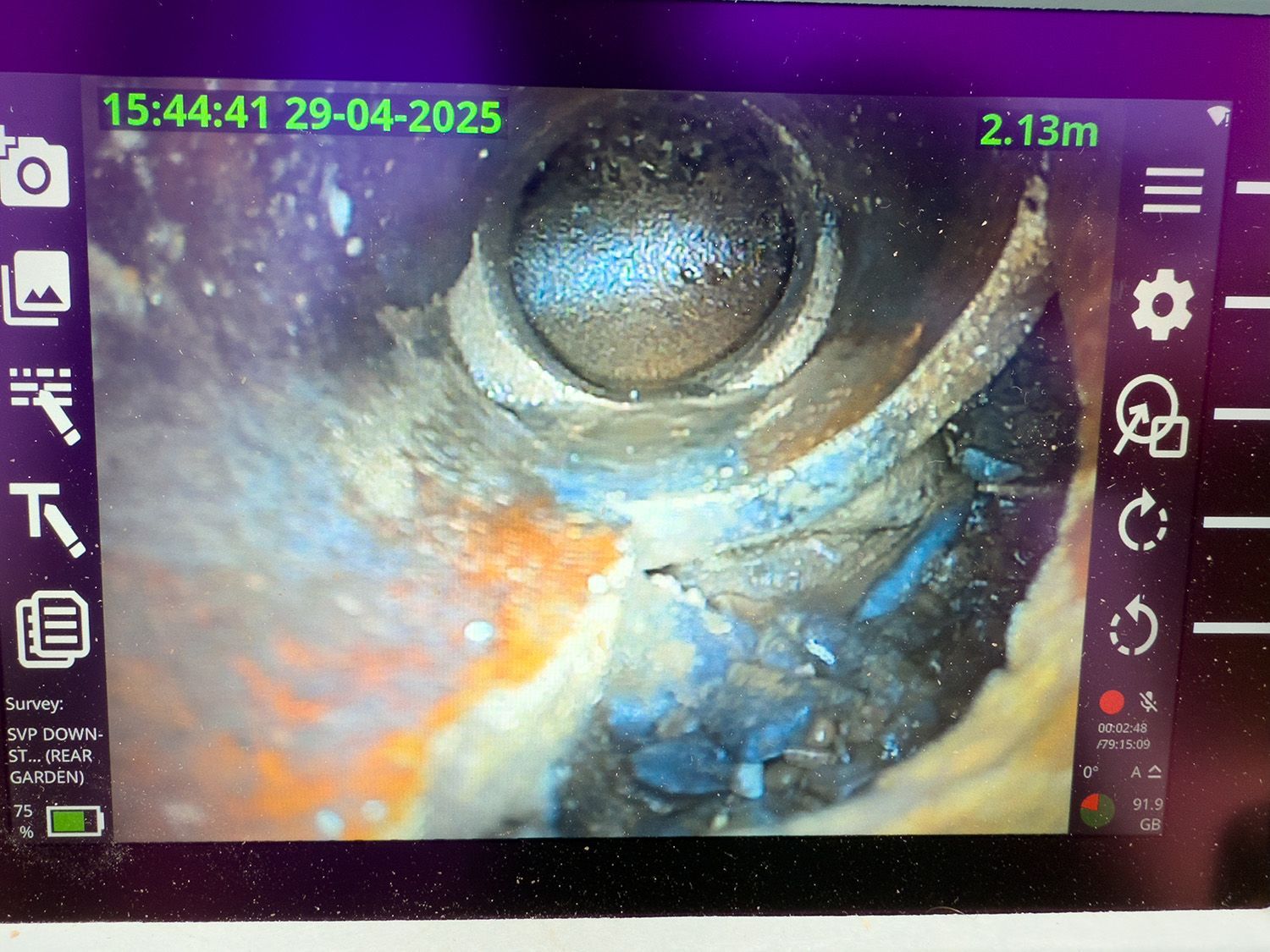
Rats keep coming back because the entry point hasn't been found. Here's how a CCTV drain investigation identifies the source — and why it's the only approach that produces a permanent result.
Quick Answer: Most recurring rat infestations in Bristol and Bath properties are drain-related. Rats travel through the main sewer system and enter homes via cracked, displaced, or redundant drain pipes — often buried under extensions, patios, or kitchen floors where no-one thinks to look. A CCTV drain investigation inserts a waterproof camera into the drainage system to map the pipe network and identify exactly where the fault is. Once found, the entry point can be sealed permanently. Pale Horse Pest Control are BPCA-accredited and members of the NADC (National Association of Drainage Contractors), with in-house qualified drainage surveyors. Call 0117 369 9909 to book.
If you've had rats treated and they've returned, the problem isn't the bait — it's that the door is still open. Rats don't materialise from thin air. Every infestation has a source, and in urban Bristol and Bath, that source is almost always underground.
The Bait-Stink-Flies-Repeat cycle — baiting, briefly controlling the population, watching them return weeks later — is the result of addressing the symptom rather than the cause. We exist to break that cycle.
Why Drain Faults Are the Root Cause of Most Bristol Rat Problems
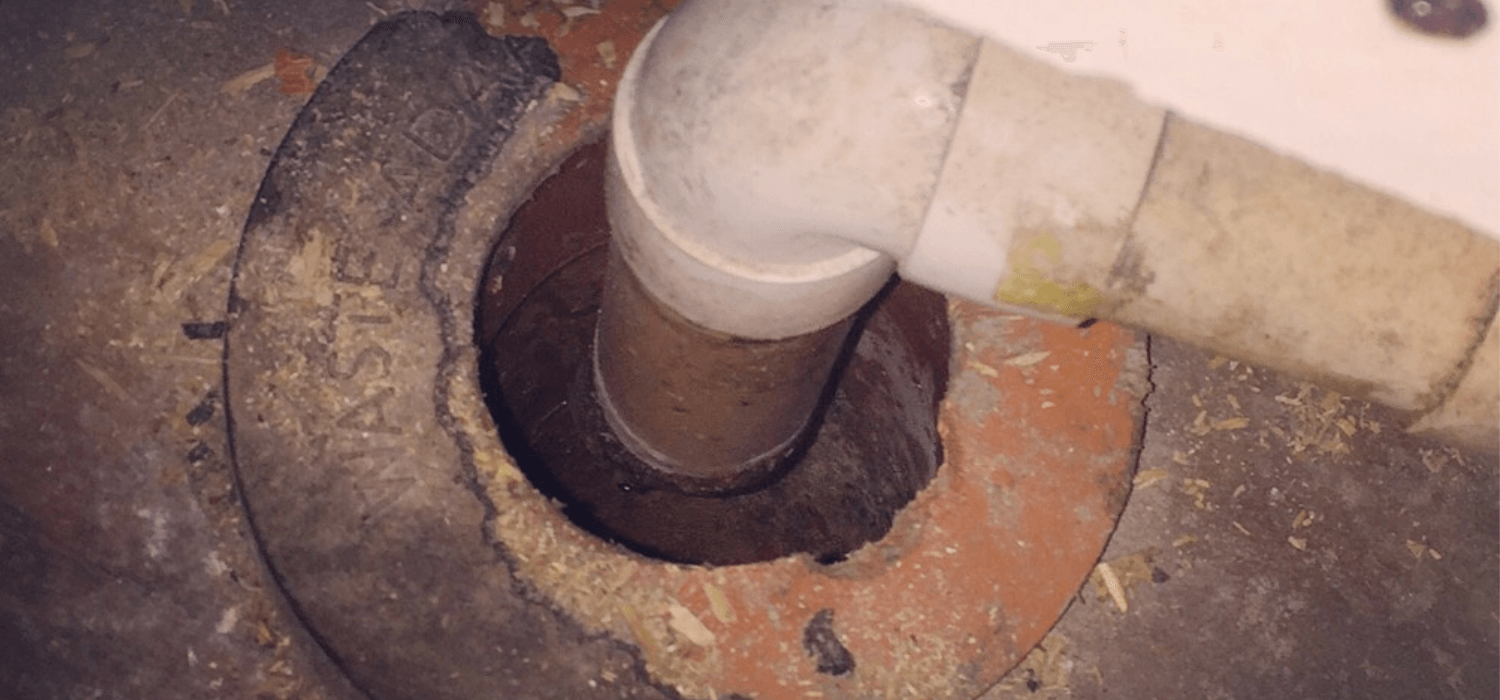
Bristol has over 100,000 homes connected to clay drainage pipes laid during the Victorian and Edwardian eras. These pipes — many of them now well over a century old — crack, displace, and collapse as the ground shifts around them.
Tree root intrusion widens joints. Building extensions are constructed over existing drain runs without properly decommissioning them. Redundant lateral branches, sealed inadequately by builders decades ago, sit open and connected to the live sewer system directly beneath living spaces.
The result is a network of vulnerabilities running beneath some of Bristol's most desirable streets — Redland, Clifton, Bedminster, Southville, Totterdown, Bishopston — that connect the main sewer directly to the interior of people's homes. Rats in the sewer system (and the sewer rat population in UK cities is substantial) don't need much encouragement. A gap of 25mm — roughly the width of your thumb — is sufficient for a rat to squeeze through.
Bath's older stone-built properties present a variation on the same problem. Victorian and Georgian drainage beneath sandstone terraces in areas like Oldfield Park, Twerton, Walcot, and Lower Weston is equally prone to displacement and root damage, with the additional complexity that original pipe runs are rarely mapped accurately in properties of this age.
The key insight — and the one that separates a structural rat investigation from a standard baiting visit — is this: rats aren't entering through gaps in your walls or under your doors in most cases. They're coming up from below, through the drainage system. Until the drain fault is found and sealed, any treatment of the rats themselves is temporary.
What a CCTV Drain Investigation Involves
This isn't a standard drain survey. Our investigations are designed specifically to answer one question: where are the rats getting in?
Access and camera insertion. We access the drainage system via an existing inspection chamber — a manhole or drain cover — typically in the garden, driveway, or external wall of the property. Where no accessible chamber exists (common in older terraced properties where the original chamber has been built over), we establish access from the nearest available point.
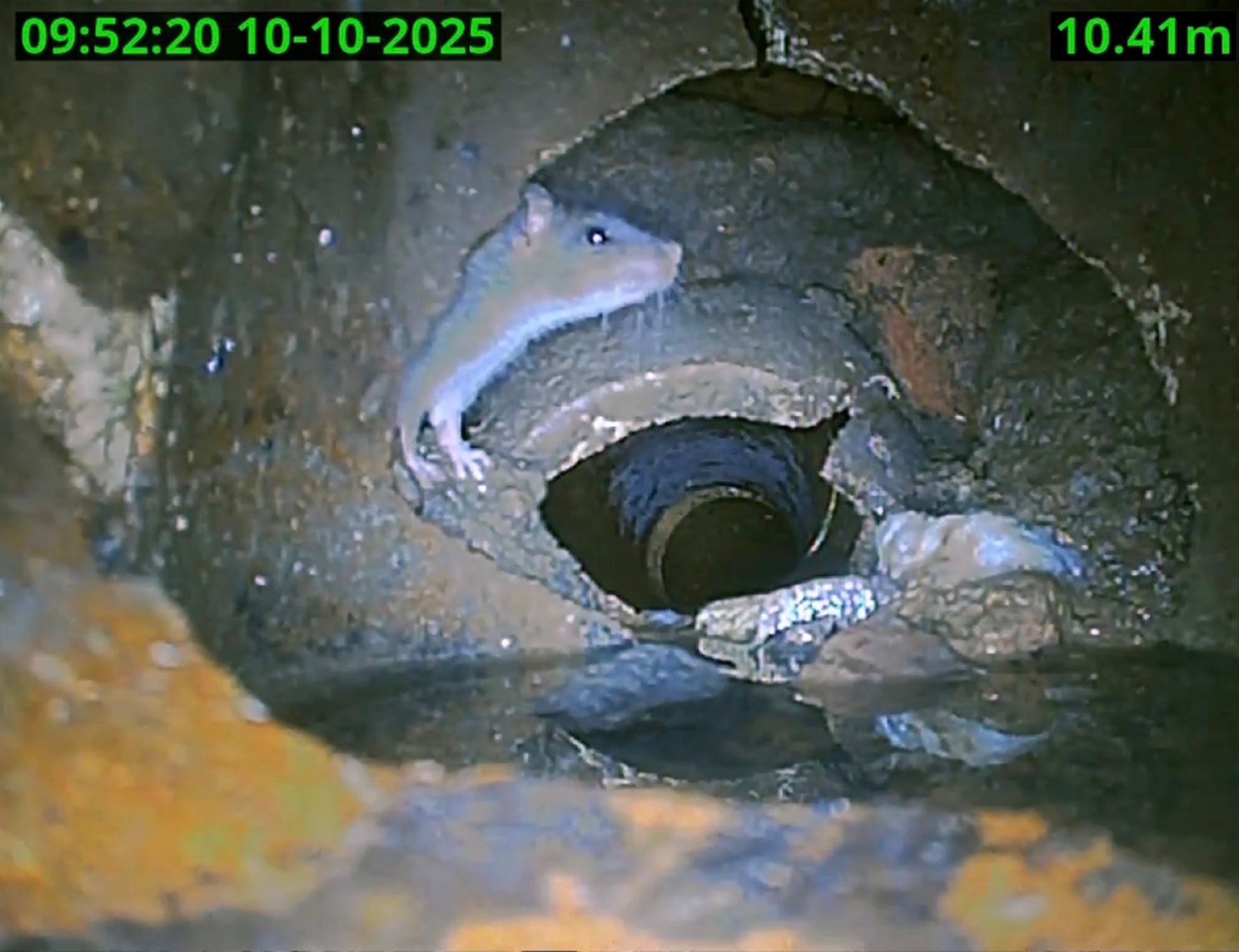
Systematic mapping of the pipe run. The camera is pushed through the drainage system in both directions — towards the main sewer and back through the private drain to the property. We're looking for: cracks and fractures in the pipe body, displaced or open joints, root intrusion, pipe collapse, and — critically — redundant lateral branches that branch off the main drain and terminate without being properly sealed.
Live footage and recording. Everything the camera sees is recorded. We review it in real time during the survey and can show you the footage immediately. You'll see exactly what we see — including, if present, evidence of rat activity within the drain itself (droppings, gnaw marks, worn pipe surfaces at access points).
Locating the fault precisely. Using a sonde — a small transmitter on the camera head — we can pinpoint the exact surface location of any fault found underground. This is what makes the difference between "there's probably a problem under your kitchen" and "the fault is 2.3 metres from the rear wall, approximately 800mm below floor level." That precision is what determines whether remediation requires excavation, drain relining, or a rat blocker installation.
Drain condition report. After every investigation, we provide a written summary of findings, including the location and nature of any faults identified, photographs from the footage, and our recommended next steps.
What Happens After the Survey
Findings vary, and we'll always be honest about what we find — including if the drains are sound and the entry point is elsewhere.
Drain relining. Where a pipe is cracked or fractured but still in position, relining is often the most efficient solution. A flexible liner is inserted and cured in place, restoring the structural integrity of the pipe without excavation. This is particularly valuable for pipes under extensions, floors, or garden features where digging would be disruptive or costly.
Non-return valve (rat blocker) installation. Where rats are confirmed to be using the drain as an access route, a non-return valve — sometimes called a rat flap or rat blocker — can be installed at the appropriate point in the system. These allow water to pass freely but physically prevent rats from travelling upstream through the pipe. Correctly specified and installed, they are highly effective. Incorrectly installed (wrong size, wrong location, inadequate fixing), they fail. We install to NADC standards.
Sealing redundant laterals. Disused branch pipes that connect to the live sewer are sealed with concrete and glass — not rubber bungs or foam, both of which rats will gnaw through. We've seen the results of inadequate sealing on numerous occasions; the remedial solution is permanent materials properly installed.
Drain repair and excavation. Where pipe damage is severe or involves a collapsed section, physical repair or replacement may be required. We work with trusted drainage contractors and can manage this process, but we'll always advise you on what is and isn't necessary rather than recommending work that isn't warranted by the findings.
The Investigation Process in Practice
Our case work in Bristol and Bath has involved some complex scenarios — rats in ceilings of new-build extensions traced to redundant gullies sealed inadequately under new concrete floors; drain faults concealed beneath kitchen extensions where the original sewer line was built over without proper decommissioning; open gully lines discovered only by lifting floor tiles after all other possibilities had been eliminated.
These aren't edge cases — they're representative of what a city built on Victorian infrastructure produces. The rats under kitchen floor case study and the rats in the ceiling investigation on this site document real Bristol jobs in full detail, including the diagnostic process and the solutions applied.
The pattern across almost all of them is the same: previous pest controllers had baited, the rats had returned, and the drain hadn't been properly checked. The investigation found the fault. The fault was sealed. The rats stopped.
Why Our Drain Investigations Are Different
In-house drainage expertise. We are members of the NADC — the National Association of Drainage Contractors — with in-house qualified drainage surveyors. We don't subcontract the survey element and then relay findings through a chain. The person operating the camera understands rat behaviour, drain construction, and structural pest control simultaneously. That combination is rare.
Investigation-first, not bait-first. Many pest controllers offer CCTV as an optional add-on after treatment has failed. We start with the question of where the rats are coming from, because the treatment approach depends on the answer. Baiting a drain-entry infestation without addressing the drain is wasted money.
No unnecessary repair recommendations. We're not a drainage company looking to sell lining jobs. If the drains are sound and the entry point is a gap around a pipe penetration in the wall, we'll tell you that and advise on proofing. Our interest is in finding the actual cause, not in generating remedial work.
Bristol and Bath-specific knowledge. We've investigated drains beneath Victorian terraces in Bedminster, Georgian conversions in Bath, 1970s infill housing in Fishponds, and new-build extensions across the region. The drainage challenges of Bristol and Bath are specific — the pipe materials, the construction eras, the patterns of extension and modification — and local experience is directly relevant to the speed and accuracy of diagnosis.
Book a CCTV Rat Investigation
If you're dealing with a recurring rat problem in Bristol or Bath and standard treatment hasn't resolved it, a drain investigation is almost certainly the missing step.
Call 0117 369 9909 or get in touch via our contact page. We'll discuss what you've experienced, advise on whether a CCTV investigation is indicated, and arrange a visit as quickly as possible.
You can also read more about our approach on the Bristol rat control page and in our detailed case studies of structural rat investigations.
Pale Horse Pest Control Ltd — BPCA-accredited, NADC member, specialist in structural rat investigations across Bristol, Bath, and the surrounding area. palehorsepestcontrol.uk