The Saxon Wasp
Dolichovespula saxonica
WE COVER - BRISTOL - BATH - NORTH SOMERSET - SOUTH GLOUCESTERSHIRE - 24/7
Saxon Wasp - Dolichovespula saxonica
The Saxon Wasp (Dolichovespula saxonica) is firmly established as a common social insect across the UK. First recorded in Surrey in 1987, this species has steadily spread from the south-east of England all the way north into Scotland.
To help you understand and identify this fascinating newcomer, this article covers its unique lifecycle, its presence in Bristol and the Southwest, and the latest scientific insights.
What is the Saxon Wasp?
The Saxon Wasp is a medium-sized social wasp. It belongs to a group known as long-headed wasps. Unlike common wasps that have round faces, the Saxon Wasp has a distinctively long, downward-pointing face.
- Look: They have classic black and yellow stripes. The queen is about 15 to 18 millimetres long, while workers are slightly smaller.
- Temperament: They generally have a good, non-aggressive temperament. They will not attack unless someone disturbs or threatens their nest.
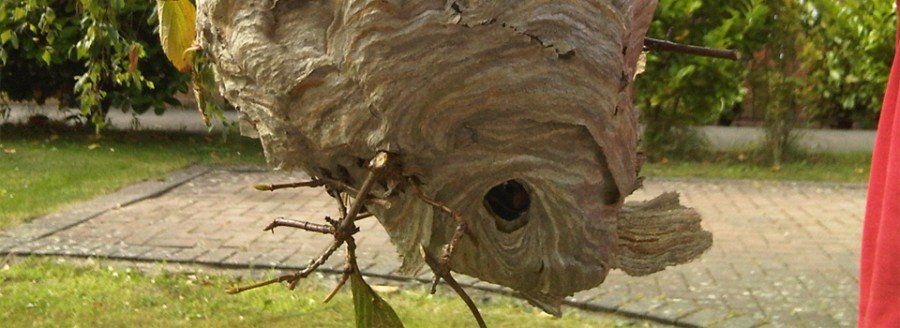
- Nests: They build grey, paper-like nests using wood scraped from garden fences and furniture.
Eye-Catching Hanging Homes
Unlike common wasps that love to hide their nests underground, the Saxon Wasp builds its home above the ground. They love to hang their nests in very open, easy-to-see spots. You can often find them dangling from:
- Tree branches and garden shrubs
- The eaves of houses and porches
- Inside outbuildings like garden sheds and barns
A typical nest looks like a grey rugby ball cut in half. Crucially, it only has one single opening right at the bottom. The nests are relatively small, often the size of a grapefruit, but can hold between 1,000 and 2,000 active wasps at their peak.
The Saxon Wasp in Bristol and Southwest England
If you live in Bristol, Gloucestershire, Somerset, or Wiltshire, you are highly likely to share your garden with the Saxon Wasp. Biologists track its movements through organisations like the Bees, Wasps & Ants Recording Society (BWARS).
Region Details.
What to Expect in Bristol and the Southwest
- Local Status: Widespread and common in both urban gardens and lowland countryside.
- Nesting Habits: Frequently spotted hanging on suburban guttering, porch roofs, and inside garden sheds.
- Activity Window: Very early starters. Nests wake up in April and completely wind down by late summer.
Because they complete their life cycle so quickly, local pest controllers note that Saxon Wasps often abandon their nests early in the summer. This can leave confused, directionless worker wasps wandering around gardens looking for sweet liquids before they naturally die off.
Global Coverage and Scientific Concerns
Beyond the shores of the UK, Dolichovespula saxonica is native to a massive area called the Palearctic region. It is found all across mainland Europe, northern and central Asia, and as far east as Japan. In 2020, scientists officially tracked its jump over to the east of Ireland.
Scientists have highlighted a few noteworthy details about this species:
- No Threat to Native Wildlife: According to the insect conservation group Hymettus, there is no evidence that the arrival of the Saxon Wasp has harmed native British wasp species. They naturally fit into the ecosystem as great pollinators and pest controllers.
- The "Soup" Hazard: Because their nests only open at the bottom, all waste drops straight down. Pest control experts warn that this waste can gather under a nest and attract bacteria like E. coli. It is best to avoid leaving outdoor tables or seating directly under a hanging nest.
- Advanced Genetics: In recent years, researchers mapped out the complete Saxon Wasp Genome Sequence. This incredible genetic blueprint helps global scientists study how social insects behave, communicate, and evolve.
If you want to know more, let me know:
- Have you found a suspected nest in your garden?
- Do you need help
telling it apart from a hornet or common wasp?

Book Wasp Control Bristol & Bath Near Me
Why Choose Us for Bristol Wasp Control
Wasps are a common summer pest in Bristol, building nests in lofts, gardens, and eaves across neighbourhoods like Clifton, Bedminster, and Southville.
The Wasps' painful stings and aggressive behaviour when disturbed make professional Bristol wasp control essential. Pale Horse Pest Control, a BPCA-accredited provider, offers fast, safe, and eco-friendly wasp nest removal 24/7 to keep your property pest-free.
Understanding Wasps in Bristol
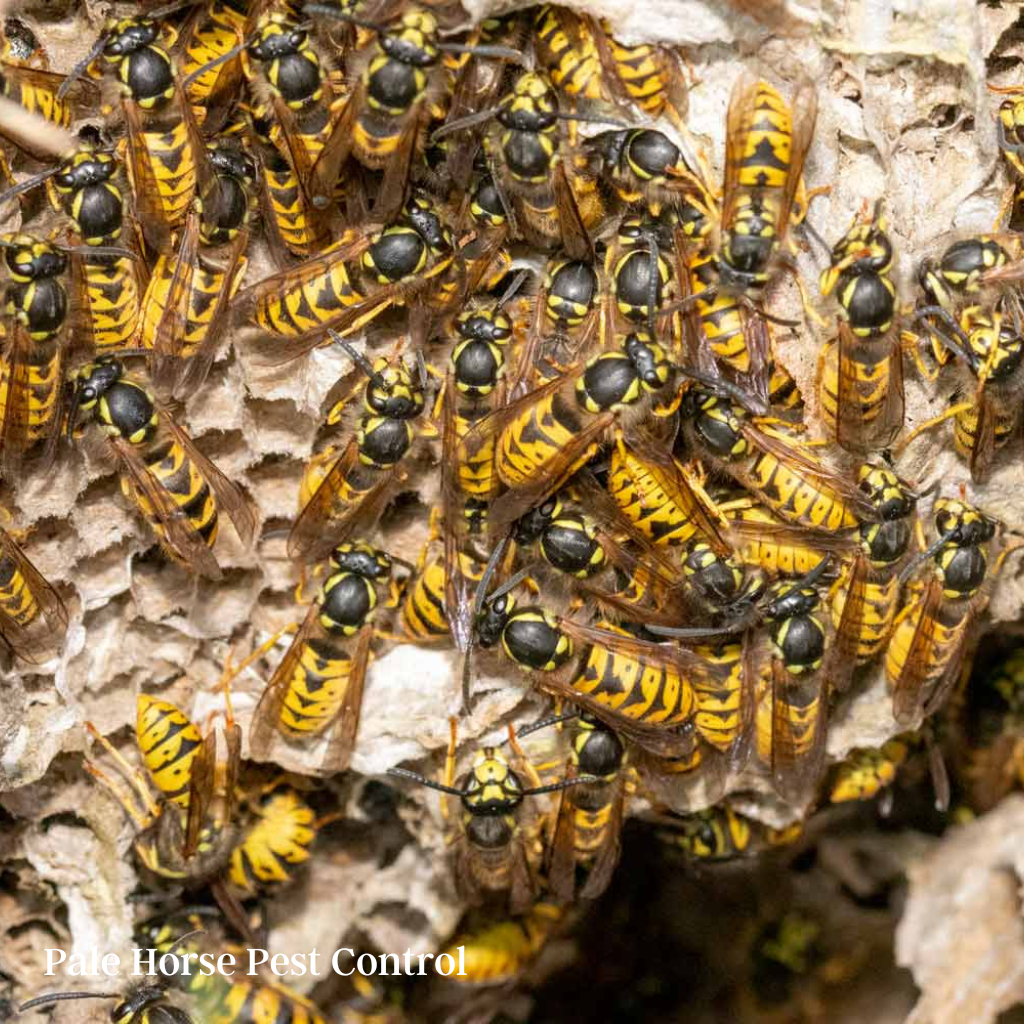
Wasps, including common wasps (Vespula vulgaris) and German wasps (Vespula germanica), are social insects that thrive in Bristol’s urban and suburban areas.
Wasps build paper-like nests from chewed wood pulp, often in lofts, sheds, or under eaves. A single nest can house 3,000–10,000 wasps, with mega nests reaching up to 100,000 in rare cases.
- Nest Locations: Common in roof spaces, wall cavities, and gardens in areas like Fishponds and Redland.
- Behaviour: Wasps are attracted to sugary foods and proteins, becoming more aggressive in late summer.
- Sting Risks: Multiple stings can cause pain or anaphylactic shock in allergic individuals.
European hornets are common in and around Bristol, and are larger but less aggressive, with nests containing fewer individuals (up to 700).
Risks of Wasp Infestations in Bristol
Wasp nests in Bristol homes or businesses pose several risks:
Stings: Painful and potentially life-threatening for those with allergies, with historical accounts of fatalities dating back to 2621 BC.
Structural Damage: Mature nests against plasterboard can weaken walls or ceilings, causing costly repairs.
Health Hazards: Wasps can contaminate food surfaces, spreading bacteria in kitchens or cafes.
Swarming: Disturbed nests can lead to aggressive swarming, especially in high-traffic areas like St Paul's.
Early wasp control in Bristol prevents these risks, ensuring safety for families, pets, and customers.
Professional Bristol Wasp Control with Pale Horse Pest Control
Pale Horse Pest Control offers expert wasp control in Bristol, using safe, BPCA-approved methods to eliminate nests and prevent reinfestation. Our services are tailored to Bristol’s unique urban challenges.
Our Wasp Control Process
1. Inspection: We locate nests in your Bristol property, assessing size and accessibility.
2. Treatment: We apply fast-acting insecticides (e.g., powder or spray) to eradicate the nest, ensuring safety.
3. Removal: Where possible, we remove treated nests to comply with regulations and prevent hazards.
4. Prevention: We provide advice on sealing entry points and reducing attractants.
Why Choose Us?
- BPCA-accredited with over 10 years of Bristol pest control experience
- Eco-friendly, family- and pet-safe treatments
- Same-day emergency service in Bristol
- Guaranteed results with free re-treatment if needed
Review: Pale Horse Pest Control removed a wasp nest from our Southville garden same day. Fast and professional!” – Laura, Bristol
How to Prevent Wasps in Bristol
Preventing wasp nests in your Bristol home or business reduces the need for control:
• Seal Entry Points: Close gaps in roofs, eaves, and walls, common in Bristol’s historic homes in Clifton.
• Remove Attractants: Secure bins and avoid leaving sugary foods or drinks exposed in gardens like those in Redland.
• Install Traps: Use pheromone-based wasp traps to lure wasps away from patios or BBQs.
• Regular Inspections: Schedule annual checks with Pale Horse to catch nests early, especially in spring.
• Avoid Disturbance: Stay calm around wasps and avoid sudden movements near wasps to prevent stings.
Case Study: Wasp Control in Bristol
In 2024, we treated a large wasp nest in a Bedminster loft. The homeowner reported buzzing and found wasps entering through a roof gap. Our team used a telescopic pole to apply insecticidal dust, eliminating the nest within the hour. We sealed the entry point and provided prevention tips, ensuring no recurrence.
Lesson: Early Bristol wasp control prevents dangerous infestations and property damage.
Serving Bristol and Beyond
We provide expert wasp control across Bristol, including Clifton, Bedminster, St Paul's, Fishponds, Easton, Southville, Redland, and surrounding areas like Bath and Portishead.
FAQ's - Frequently Asked Questions on Wasps & Hornets
How do I know if I have a wasp nest in Bristol?
Look for increased wasp activity, buzzing, or a paper-like nest in lofts, eaves, or gardens.
How to identify a wasp nest in Bristol?
To identify a wasp nest in Bristol, look for a greyish, papery structure, often in sheltered spots like lofts, eaves, sheds, or trees. It’s typically football-sized, with a textured surface and small entry holes where wasps are active. Listen for buzzing and watch for wasps flying in and out. Check gardens or quiet areas around your property, especially in summer. If unsure, contact a professional like Pale Horse Pest Control for safe inspection.
Are wasp control treatments safe?
Yes, our BPCA-approved, eco-friendly treatments are safe for families and pets.
How long does Bristol wasp control take?
Treatment takes 15-45 minutes, with full nest eradication within days.
Why are wasps common in Bristol?
Urban density, gardens, and mild summers attract wasps to areas like Fishponds.
Learn more about treating wasps nests in Bristol with the BPCA