Old Wasp Nest in the Shed? Here's Whether You Should Touch It
Do You Have A Wasps Nest In Your Shed?
Same Day Bristol Wasp Control &.Bath Wasp Control
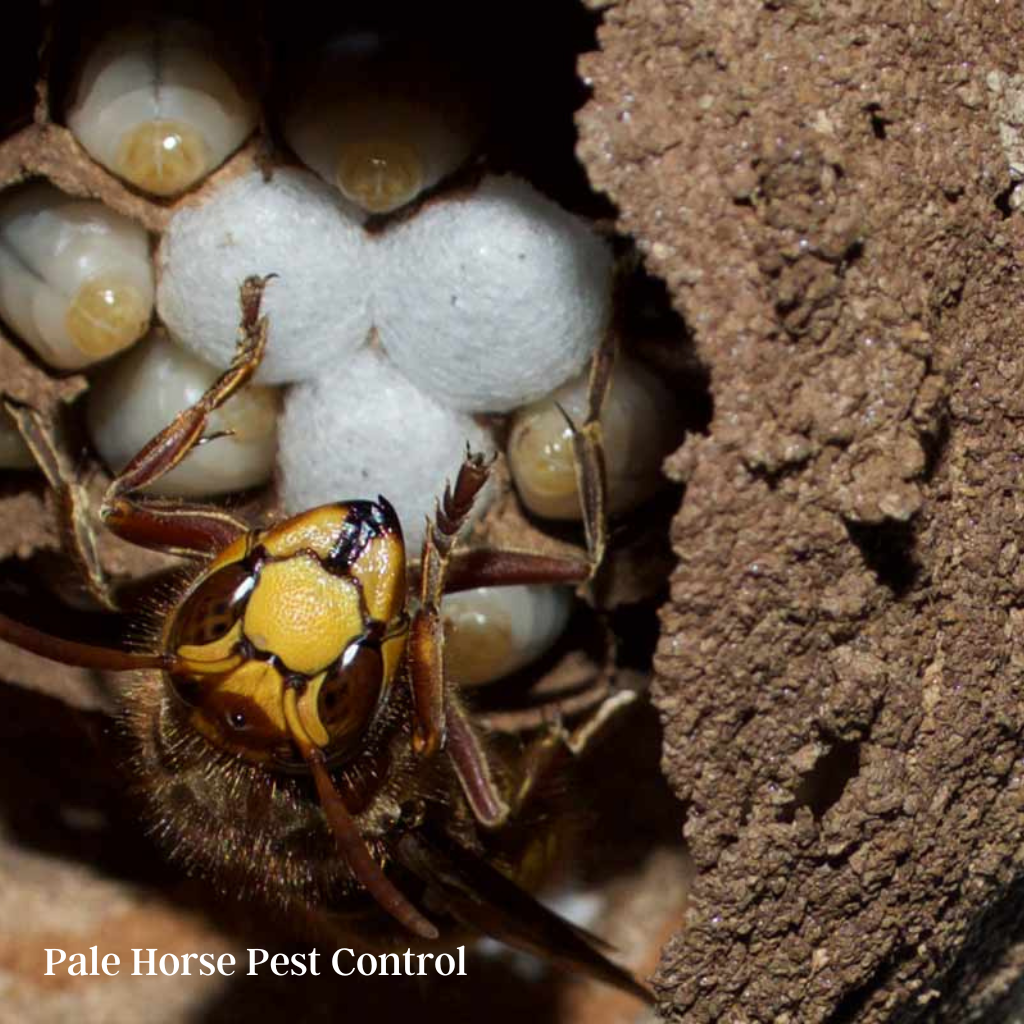
Quick answer: If the nest looks grey, papery and brittle, and you've watched it for a while without seeing a single wasp go in or out, it's very likely dead and safe to leave or remove. If you've spotted even occasional activity, treat it as live and keep your distance — the safest rule with any wasp nest is never touch it unless you can confirm it's completely empty.
Sheds, garages and lofts are exactly the kind of quiet, sheltered spaces wasps love to build in, which is why so many Bristol and Bath homeowners find one tucked into a corner while getting the lawnmower out. Before you do anything to it, here's how to work out what you're actually dealing with.
How to Tell If a Nest Is Still Active
A wasp nest is made from chewed wood pulp, which gives it that distinctive grey, papery, almost honeycomb-patterned shell. Both active and abandoned nests look broadly similar from the outside, so the shape and colour alone won't tell you much. What matters is behaviour, not appearance.
The safest way to check is to observe from a distance, ideally several metres away, for 10–15 minutes during a mild, calm part of the day. Look for wasps flying directly in and out of a single entry hole, and listen for a steady, low hum coming from inside. If you see regular traffic, the nest is active — stop watching and stay well clear.
Timing matters just as much as observation. UK wasp colonies follow a strict annual cycle: they build up through spring and summer, peak in August and September, and then die off completely after the first hard frost, usually some time in October or November.
If you've found a nest between December and March, the odds are overwhelmingly in favour of it being long dead, even if it still looks structurally intact.
One persistent myth worth clearing up: wasps do not reuse old nests the following year. Each colony builds a brand new nest from scratch every spring, started by a single surviving queen, and the previous year's nest is abandoned for good once the colony dies off. So a nest you find in winter genuinely is just an empty shell — it isn't "waiting" for anyone to come back to it.
If you've done all of this and you're still not certain, treat the nest as active. Misjudging an empty nest costs you nothing. Misjudging an active one can mean a painful afternoon.
What Happens If You Leave It Alone
If the nest is genuinely dead, leaving it alone is perfectly fine — nothing happens. No wasps will return to it, it won't attract a new colony to build there specifically, and it poses no ongoing risk to you, your family or your pets. Over time, an abandoned nest tends to break down on its own: it dries out further, loses structural integrity, and is often picked apart by birds or other insects scavenging the paper-like material for nesting material of their own.
It's also worth knowing what doesn't happen. There's a common belief that leaving an old nest in place deters wasps from building a new one nearby, on the theory that wasps avoid territory another colony has used. The evidence for this is weak at best — some pest controllers report it seeming to help, others see no effect at all, so it's not something to rely on as a prevention strategy.
The main downside to leaving an old nest in a shed or loft is a minor one: empty nests can occasionally become a home for other things, including spiders, moths, or — in lofts particularly — mice gnawing through the papery material. If you're doing general shed or loft clearance, removal is more about tidiness and avoiding mess than any genuine wasp risk.
When It's Safe to Remove It Yourself (And When It Isn't)
If you've confirmed, through careful observation over several weeks and ideally during the winter months, that a nest shows absolutely no activity, removing it yourself is generally safe. Use a long-handled brush or pole to knock it down from a safe distance, let it drop into a sealed bag, and dispose of it in your general waste. Because it's empty, no spray or treatment is needed at all.
There are several situations, though, where DIY removal isn't worth the risk, however confident you feel:
- Any uncertainty about activity — if you haven't been able to watch it properly, or you've only checked once, don't risk it.
- Large or hard-to-reach nests — anything tucked into a loft apex, behind cladding, or inside a wall cavity is harder to assess safely and harder to remove cleanly.
- Allergy concerns in the household — if anyone living in or regularly visiting the property has a known wasp allergy, it's not worth gambling on a misjudged "dead" nest.
- Multiple nests on the property — finding more than one nest, or signs of a current infestation elsewhere, usually points to an active colony nearby, not a single abandoned shell.
If any of those apply, or you'd simply rather not deal with it yourself, that's exactly what professional treatment is for. We offer same-day surveys across Bristol and Bath, and if a nest turns out to be active, it's treated safely and properly the first time — no guesswork, no second visit needed.
Found a nest and not sure which category it falls into? Get a same-day quote and we'll tell you straight whether it's safe to leave, safe to remove yourself, or needs a professional visit.